Tucktec Folding Kayak
Summary
Price At Time Of Writing | £391.46
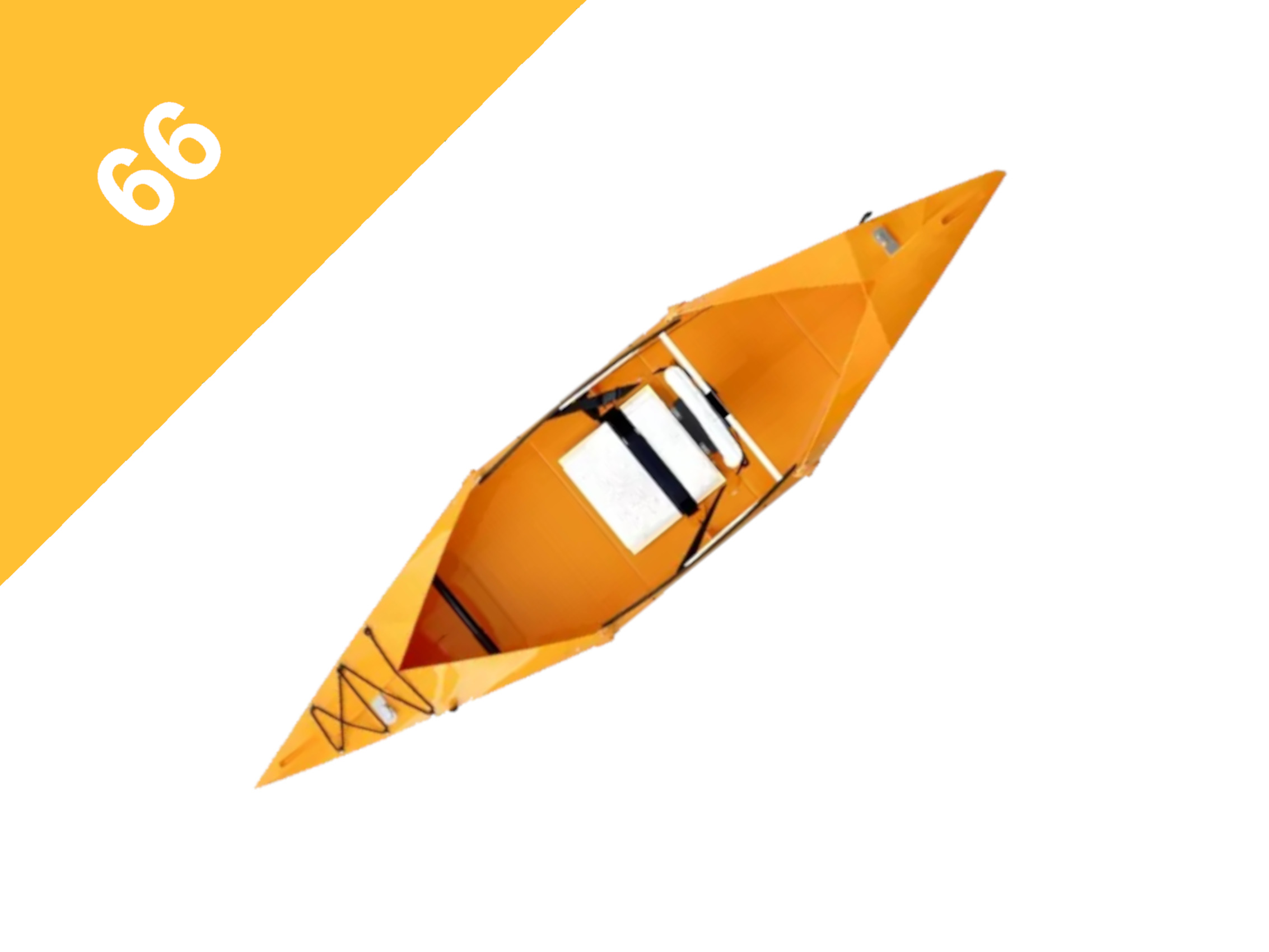
Our Overall Rating | 66 out of 100
Pros - Very portable, budget-friendly, stable on calm water
Cons - Limited durability, firm seat, not good in wind or chop
Overall - A handy folding kayak for casual use and travel, but not for heavy-duty paddling
Technical Specifications
Open Size - 300cm long
Weight - 11.5kg
Load Capacity - 136kg
Packed Size - 120x38x21.6cm
Our Analysis & Ratings
The 2025 Tucktec folding kayak is a portable, budget-friendly alternative to bulkier hardshells and costly inflatables. It packs down small enough to fit in a car boot or cupboard, yet opens into a 300cm kayak designed for calm lakes and slow-moving rivers. The latest updates, including the improved seat, sturdier latches and a better support cage, make it more reliable than earlier versions. Some comfort and durability concerns remain, though, so it's worth weighing the pros and cons depending on how and where you plan to paddle.
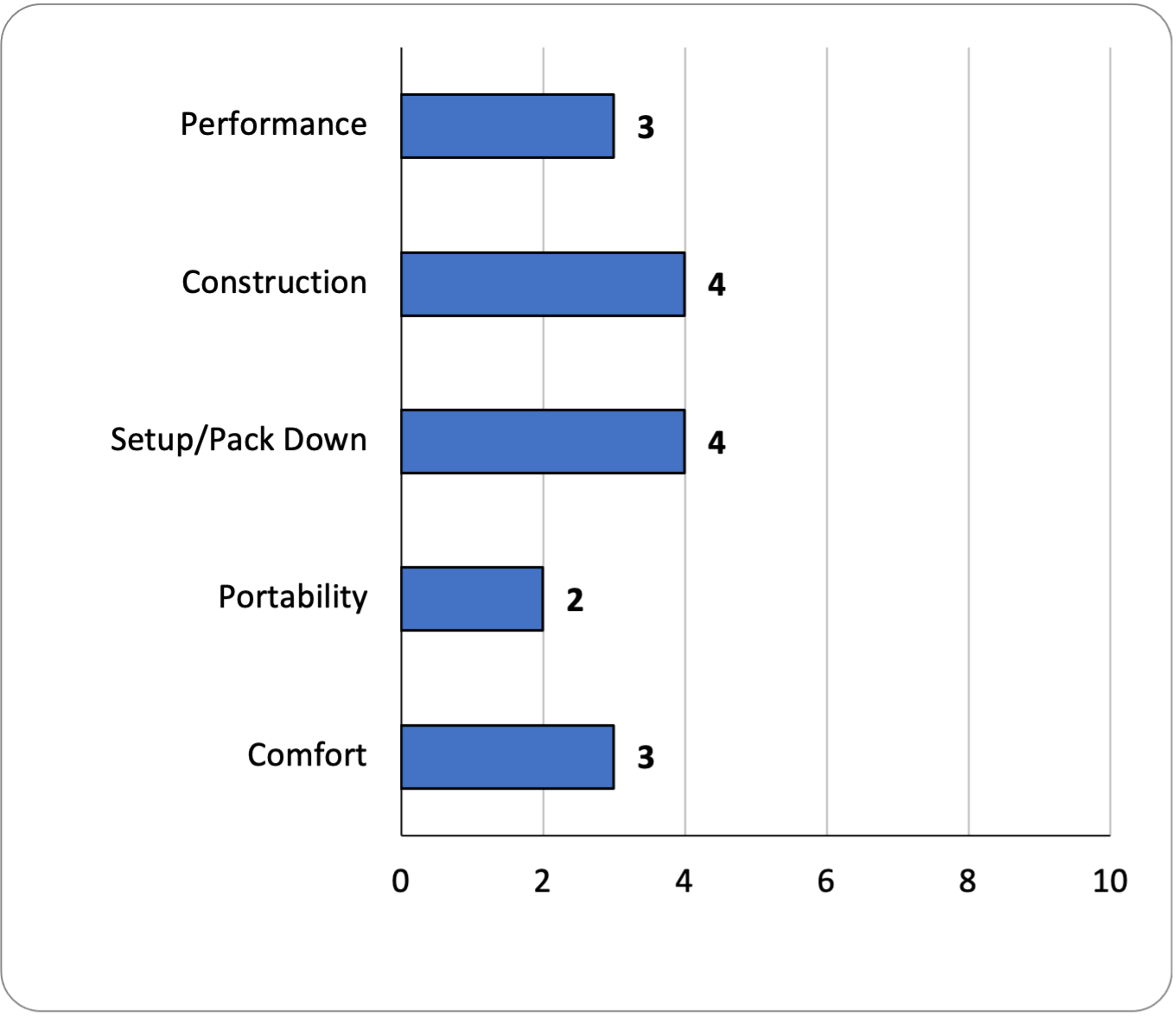
Performance (speed, tracking, manoeuvrability, stability, load handling): 3/10
Speed: It is not fast, nor is it designed for touring or waves. Its shorter length and wide base also make it slower compared to longer inflatables or hardshells.
Tracking: It tracks decently, especially with the removable skeg attached.
Manoeuvrability: Turning is easy due to its shorter length and wide base.
Stability: On flat, calm water, the kayak feels stable, but in windy conditions or even light chop, the ride can quickly feel less secure.
For fishing, casual paddling, or short trips on lakes, it works decently.
Construction (materials, seams, valve quality, durability and fittings): 4/10
Made from high-density polyethylene, the hull is tough against scrapes from rocks or sandy beaches. The updated clamps and support cage feel like genuine improvements, addressing some earlier complaints of buckling.
Still, visible stress marks from folding are common, and we've seen long-term durability questioned by past owners. The company claims it can withstand thousands of folds, but we'd recommend you still handle it carefully and keep the patch kit handy.
Setup/Pack Down (inflation time, valves, folding and drying): 4/10
Assembly takes about 10 to 15 minutes once you've learned the folds and clamps. The updated latches are simpler and more secure than older cotter-pin styles, though they still require strength to snap into place.
Folding it back down is straightforward but can be messy, as sand and water tend to cling to the panels. Unlike an inflatable, there's no pump to carry, which makes setup less of a hassle.
Portability (weight, packed size, ease of carrying): 2/10
Portability is the reason most people would snag a Tucktec. Weighing roughly 11.5kg, it's easy to carry and store. It fits in most car boots and can be checked on a plane, making it a great kayak for travellers or those with limited storage space.
When moving it around, we found that while the shoulder strap does the job, it's not particularly comfortable for long carries.
Comfort (seat support, legroom, fatigue over distance): 3/10
The redesigned seat is an upgrade, but it is still firm and not that comfortable for long sessions, so we'd actually recommend swapping it for a more cushioned aftermarket seat.
While the wide cockpit allows space to move, the flexible sides can collapse slightly when getting in or out, which may feel unsettling and is kind of frustrating. Also, while the footrest and gear tie-downs are helpful, adjusting the foot peg takes patience.
Value for money:
For casual paddlers who value portability and affordability over speed or long-distance comfort, the Tucktec delivers on its promise for calm lakes and recreational outings, even if it comes with real trade-offs in comfort and stability.
Best for:
Casual paddlers prioritising portability and affordability
Calm lakes, fishing trips and short recreational outings
Travellers or those with limited storage space
Anyone happy to upgrade the seat for longer sessions
Overall:
The Tucktec 2025 model is a marked improvement over earlier designs, especially in stability and setup. For calm lakes, fishing trips, or recreational outings, it does the job, but if you're after a kayak for touring, choppier conditions, or daily heavy use, a sturdier inflatable or hardshell will likely serve you better. If a foldable kayak is what you’re after, there are better ones on the market.