
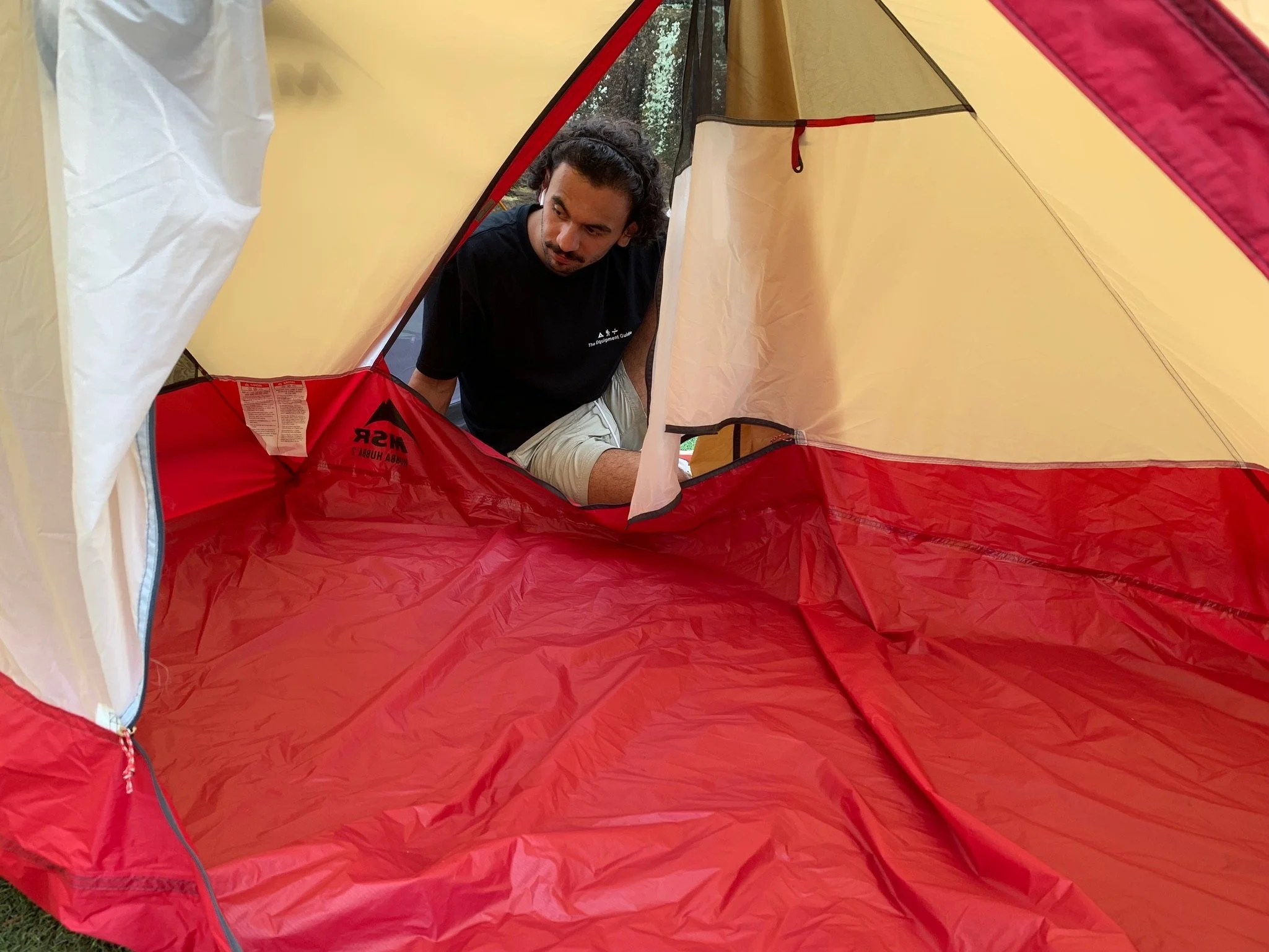
Best Backpacking Tent of 2026 in the UK
We tested the top backpacking tents side-by-side in real-world conditions, including long-distance trails, mountain ridges and exposed hills throughout the UK. Our goal was to find out which tents genuinely hold up when the weather turns.
This in-depth guide compares the best options available, with every tent on the list a 2-person model chosen for its suitability for carrying on your back and assessed with UK conditions (rain, wind and all) in mind. Access full reviews of each product via the 'Read Full Review' buttons below, or watch our video review. Want something a bit more stylish? Check out our list of top teepee tents.
Independently tested | Updated for 2026 | Real-world comparison testing
Updated 4th September 2026: Updated Layout
Compare The Best Backpacking Tents

MSR Hubba Hubba LT
Price At Time Of Writing | £459.99
Overall Rating | 95
Comfort | 9
Construction | 9
Features | 9
Size/Weight | 8
Versatility | 10
Packed Size - 46x15cm
Weight - 1.8kg
Sleeping Size - 2.5sqm
Best For - Versatile all-season backpacking for two
Pros - Spacious and comfortable, relatively lightweight, well-ventilated
Cons - Premium price point
Overall - A reliable and popular all-rounder for most conditions

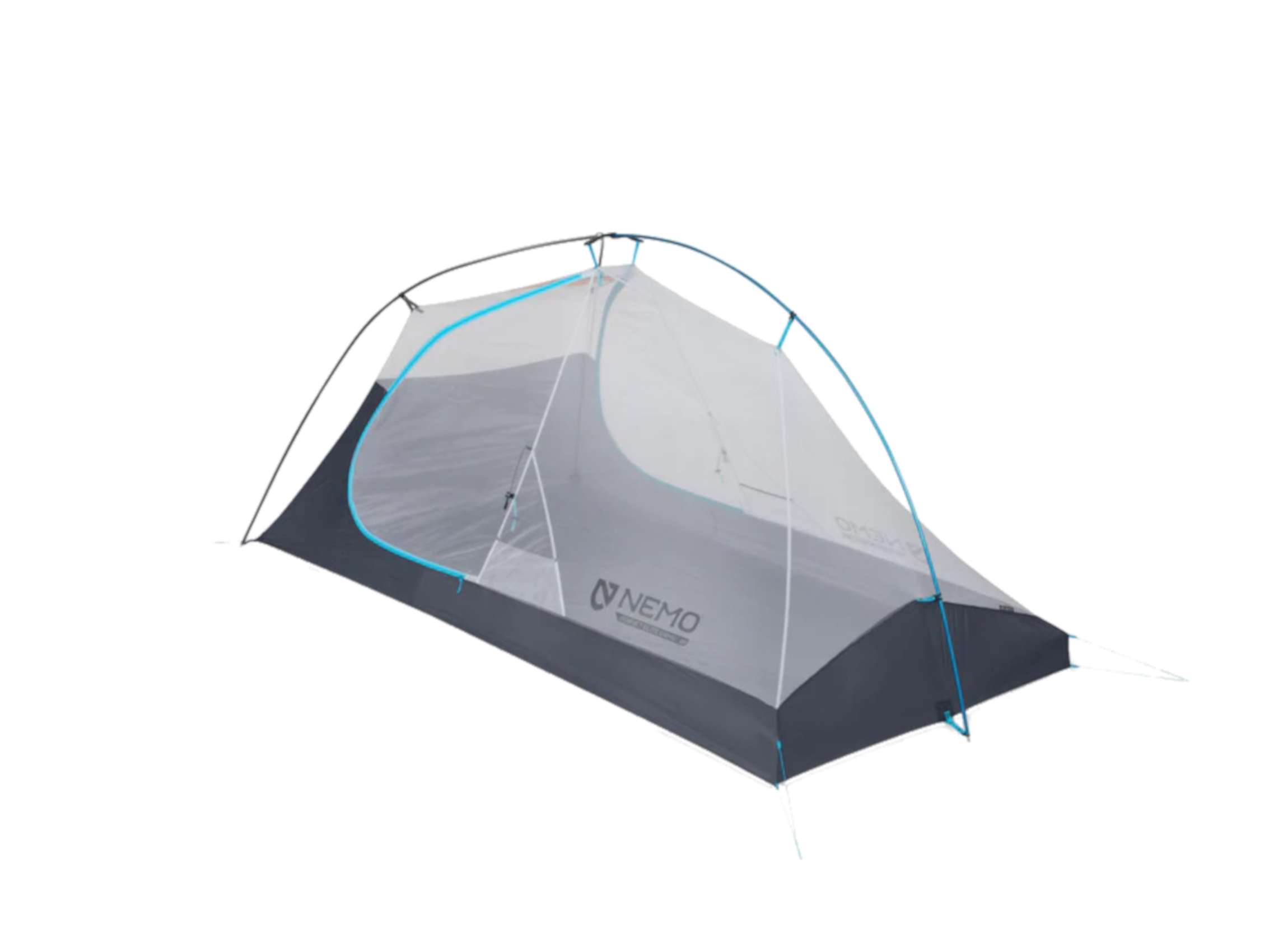
Nemo Hornet Elite OSMO
Price At Time Of Writing | £619.99
Overall Rating | 94
Comfort | 9
Construction | 9
Features | 9
Size/Weight | 10
Versatility | 7
Packed Size - 48x10x5cm
Weight - 0.936kg
Sleeping Size - 2.5sqm
Best For - Ultralight thru-hikers and fastpackers
Pros - Extremely lightweight, fast, simple pitch
Cons - Cramped interior, high cost, delicate materials
Overall - A top choice when minimising weight is the absolute priority

Nemo Dragonfly OSMO
Price At Time Of Writing | £349.99
Overall Rating | 93
Comfort | 7
Construction | 9
Features | 9
Size/Weight | 10
Versatility | 8
Packed Size - 50x12cm
Weight - 1.4kg
Sleeping Size - 2.7sqm
Best For - Long-distance backpackers wanting a balance of weight and comfort
Pros - Ultra-lightweight, good interior space for weight
Cons - Expensive, tapered foot area
Overall - An excellent, performance-focused hiking tent

Mont Moondance 2
Price At Time Of Writing | £569.99
Overall Rating | 93
Comfort | 10
Construction | 9
Features | 9
Size/Weight | 7
Versatility | 8
Packed Size - 49x15cm
Weight - 2kg
Sleeping Size - 2.9sqm
Best For - Couples wanting durable comfort for basecamp-style trips
Pros - High-quality materials and build, very spacious
Cons - Significant investment
Overall - A top-tier, roomy tent for longer trips
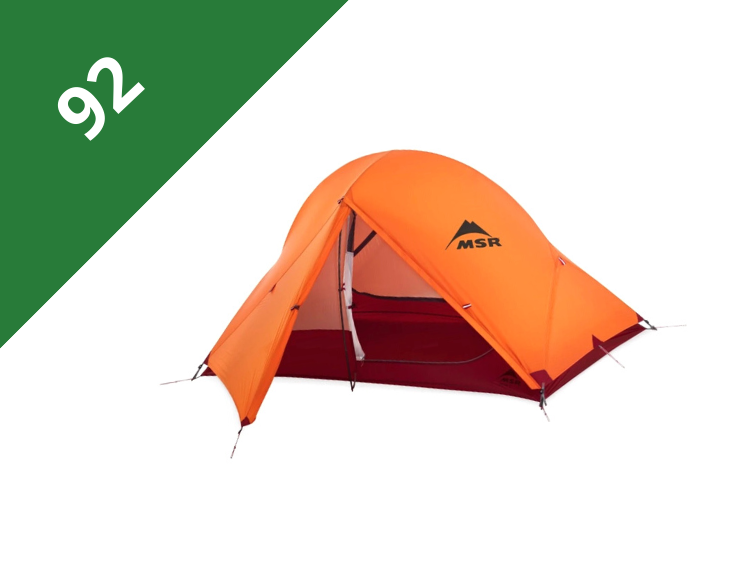
MSR Access 2
Price At Time Of Writing | £624.75
Overall Rating | 92
Comfort | 8
Construction | 8
Features | 9
Size/Weight | 7
Versatility | 10
Packed Size - 46x15cm
Weight - 1.72kg
Sleeping Size - 2.7sqm
Best For - Winter camping and alpine missions where weight matters
Pros - Strong storm performance, vestibule space
Cons - Bulky pack size for the price
Overall - A versatile and capable lightweight 4-season shelter

Lightwave Sigma S22
Price At Time Of Writing | £699.00
Overall Rating | 90
Comfort | 9
Construction | 9
Features | 7
Size/Weight | 8
Versatility | 7
Packed Size - 45x18cm
Weight - 1.5kg
Sleeping Size - 3sqm
Best For - Hikers looking for a simple, stormworthy single-wall shelter
Pros - Lightweight for its strength, roomy interior, excellent waterproofing
Cons - Can feel dark inside, pole threading required for pitch
Overall - A great, lightweight single-wall option

Hilleberg Rogen 2
Price At Time Of Writing | £1,198.99
Overall Rating | 90
Comfort | 8
Construction | 9
Features | 8
Size/Weight | 7
Versatility | 8
Packed Size - 46x15cm
Weight - 2.2kg
Sleeping Size - 2.8sqm
Best For - Expeditions and severe weather conditions where strength is critical
Pros - Extremely sturdy, weather-resistant, spacious, freestanding
Cons - Can be stuffy in warm weather, heavy for backpacking, inner-first pitch
Overall - A bomber shelter worth the investment for demanding use
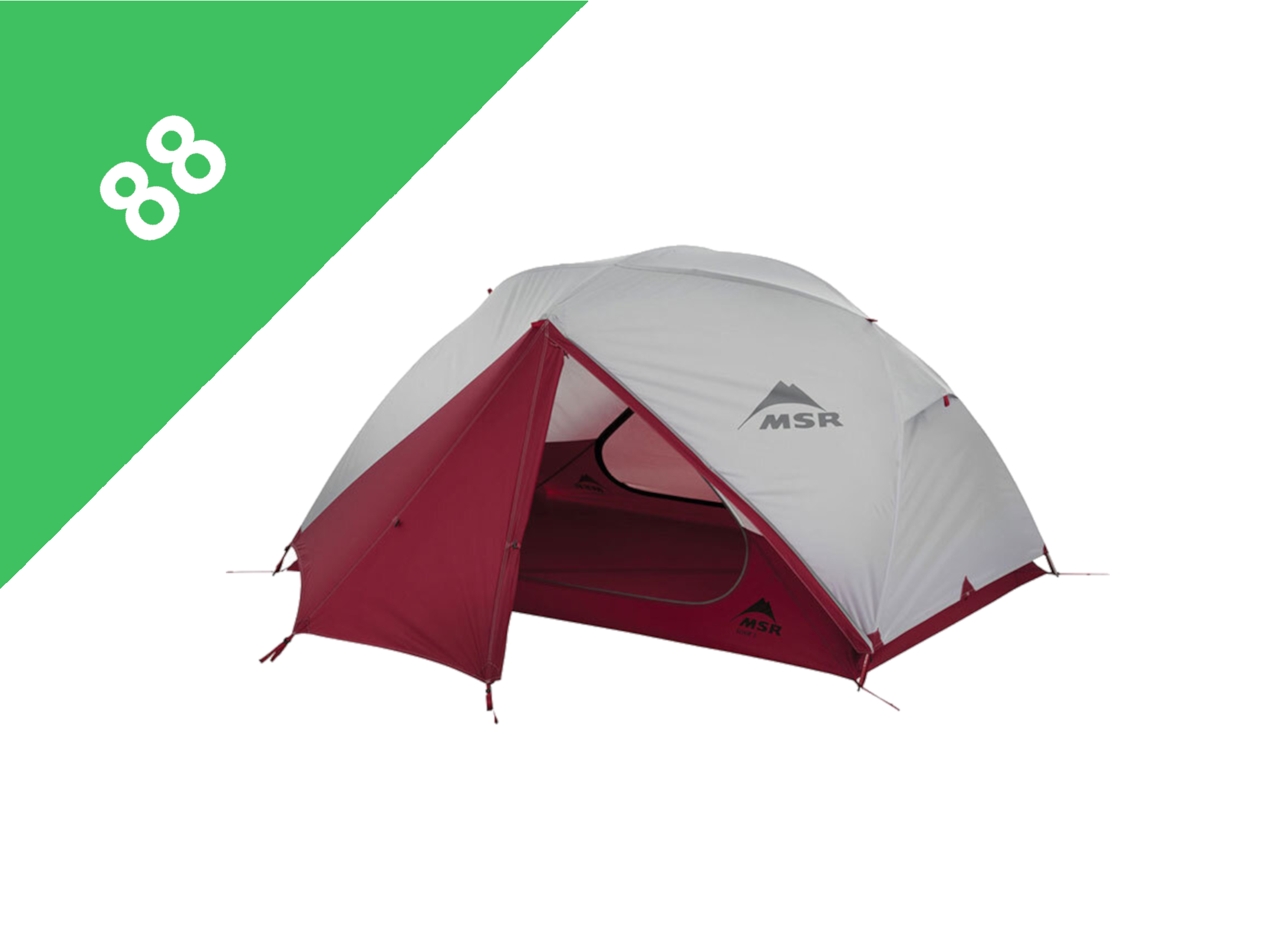
MSR Elixir 2
Price At Time Of Writing | £305.99
Overall Rating | 88
Comfort | 8
Construction | 8
Features | 9
Size/Weight | 5
Versatility | 8
Packed Size - 51x17cm
Weight - 2.7kg
Sleeping Size - 2.69sqm
Best For - Beginner backpackers and car campers wanting durable comfort
Pros - User-friendly features, durable construction, good value
Cons - Heavier and bulkier than ultralight options
Overall - A comfortable and versatile shelter that’s liveable rather than light

Big Agnes Copper Spur HV UL-2
Price At Time Of Writing | £425.00
Overall Rating | 85
Comfort | 7
Construction | 8
Features | 8
Size/Weight | 7
Versatility | 5
Packed Size - 50x15cm
Weight - 1.4kg
Sleeping Size - 2.69sqm
Best For - Couples wanting a best-in-class balance of weight and space
Pros - Lightweight, generous headroom, well-designed pockets
Cons - Asymmetrical design can feel uneven for two
Overall - A quality, high-performance 3-season tent for weight-conscious duos
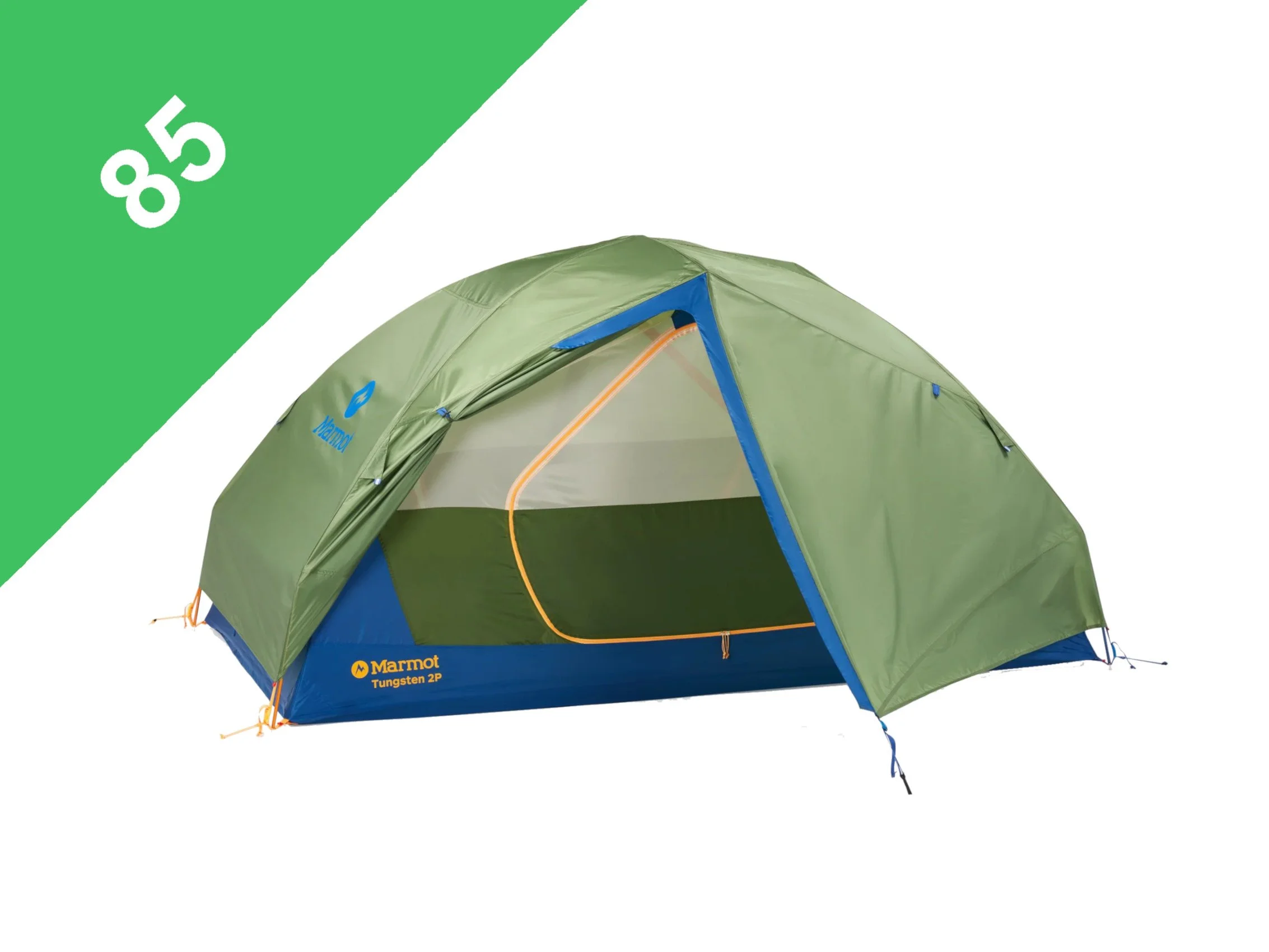
Marmot Tungsten 2P
Price At Time Of Writing | £269.74
Overall Rating | 85
Comfort | 8
Construction | 7
Features | 8
Size/Weight | 6
Versatility | 6
Packed Size - 54x18cm
Weight - 2.4kg
Sleeping Size - 3sqm
Best For - Weekend backpacking and festival camping on a budget
Pros - Very spacious interior for the price, easy to pitch
Cons - Too heavy and bulky for long-distance hiking
Overall - A great value tent for shorter trips where weight isn't the main concern
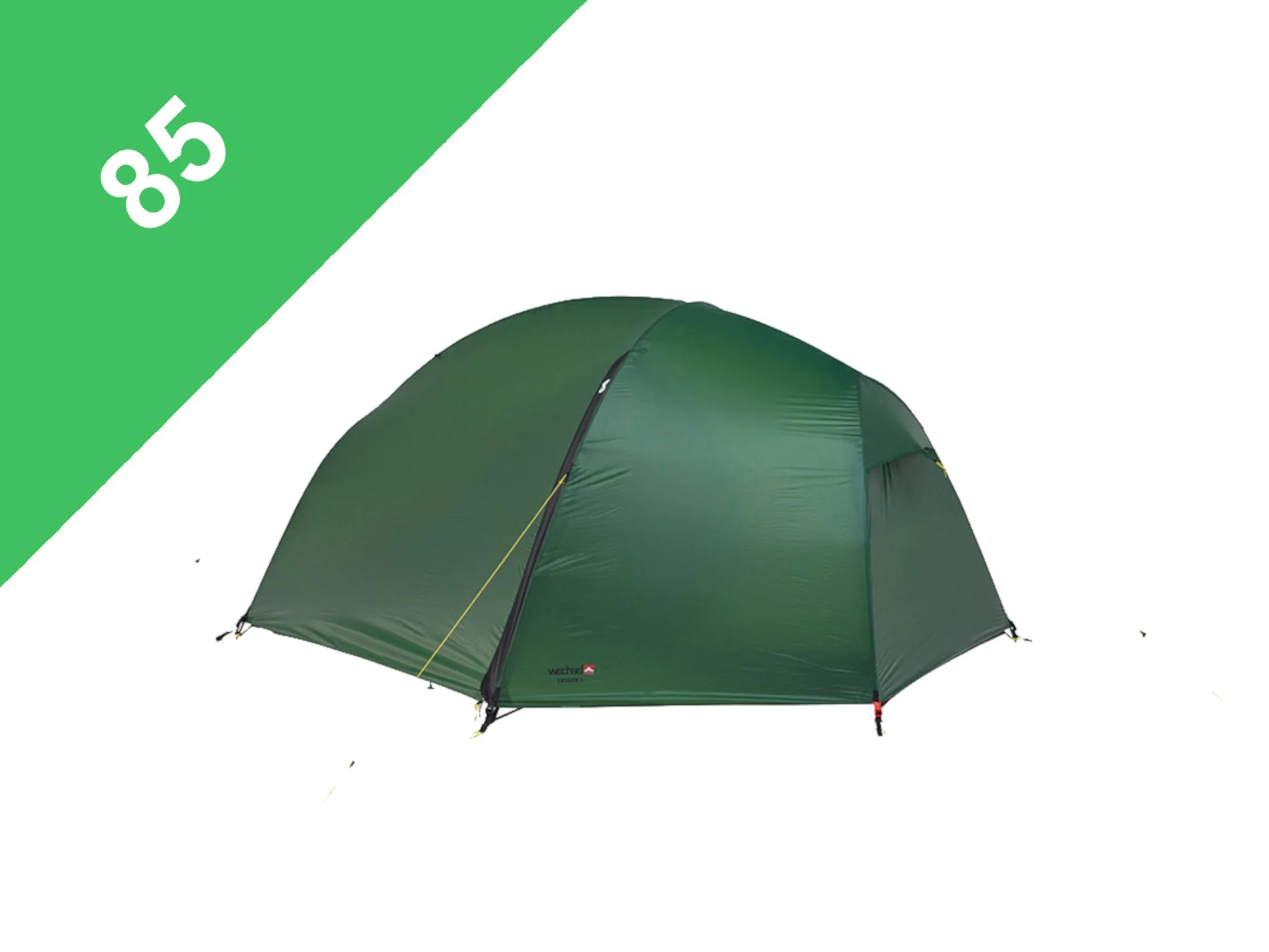
Wecshel Exogen 2
Price At Time Of Writing | £489.99
Overall Rating | 85
Comfort | 7
Construction | 7
Features | 8
Size/Weight | 7
Versatility | 6
Packed Size - 55x19cm
Weight - 1.93kg
Sleeping Size - N/A
Best For - Hikers wanting Hilleberg-level storm protection at a lower price
Pros - Excellent weather resistance, robust, freestanding
Cons - Limited ventilation, heavier than ultralight tents
Overall - A reliable, four-season-capable tent for challenging environments

Big Agnes Tiger Wall UL2 Solution Dye
Price At Time Of Writing | £373.90
Overall Rating | 84
Comfort | 7
Construction | 6
Features | 7
Size/Weight | 8
Versatility | 6
Packed Size - 46x14cm
Weight - 1.13kg
Sleeping Size - 2.6sqm
Best For - Ultralight thru-hikers focused on minimising pack weight
Pros - Lightweight, excellent airflow, eco-conscious materials
Cons - Snug for two, requires careful handling, small vestibules
Overall - A great, minimalist shelter for careful backpackers in fair conditions

Kelty Wireless 2
Price At Time Of Writing | £94.95
Overall Rating | 80
Comfort | 7
Construction | 6
Features | 7
Size/Weight | 5
Versatility | 5
Packed Size - 56x15cm
Weight - 3.31kg
Sleeping Size - 2.7sqm
Best For - Casual car camping and occasional short backpacking trips
Pros - Roomy, comfortable, very durable floor and fabric
Cons - Heavy, ventilation can lead to condensation
Overall - A reliable and affordable shelter for general outdoor use

Naturehike Cloud-Up 2
Price At Time Of Writing | £149.00
Overall Rating | 73
Comfort | 5
Construction | 3
Features | 4
Size/Weight | 8
Versatility | 3
Packed Size - 40x13cm
Weight - 1.8kg
Sleeping Size - 2.6sqm
Best For - Solo hikers or budget-conscious couples on short adventures
Pros - Very low price, reasonably lightweight for the cost
Cons - Cramped interior, minimal interior storage pockets
Overall - A functional budget option where space and features are secondary to price

Vango Nevis 200
Price At Time Of Writing | £140.00
Overall Rating | 72
Comfort | 2
Construction | 5
Features | 5
Size/Weight | 7
Versatility | 3
Packed Size - 46x15cm
Weight - 2.0kg
Sleeping Size - 2.6sqm
Best For - Occasional fair-weather use by solo campers on a tight budget
Pros - Cheap
Cons - Cramped and dark interior, awkward pitch, poor ventilation
Overall - A very basic shelter suitable only for minimal use in good conditions

Kelty Late Start
Price At Time Of Writing | £119.99
Overall Rating | 70
Comfort | 4
Construction | 3
Features | 3
Size/Weight | 7
Versatility | 3
Packed Size - 41x18cm
Weight - 2.4kg
Sleeping Size - 2.7sqm
Best For - First-time campers or festival-goers needing simple setup
Pros - Extremely easy and fast to pitch, affordable price point
Cons - Single door is inconvenient for two, materials feel basic
Overall - A no-frills, entry-level tent for low-impact camping

Overall Ratings
Watch our video review to learn what to look for in a backpacking tent
Watch our video review to learn what to look for in a backpacking tent
Advice We’d Give to A Friend
The Basics
How important is weight? - Weight contributes to the overall backpacking experience, but it is not the defining feature one should look for. Weight can often be reduced by sacrificing sleeping size or material quality, but the best available backpacking tents manage to find a happy medium. We have found that around 2kg is an ideal weight for a combination of quality and comfort.
How many season tents do I need? - It depends on when you want to go camping. A 3-season tent is best for warmer months in the UK, while a 4-season tent will stand up to harsher weather (get outside in Winter!). It is worth noting that 4-season tents trap the heat, so can get quite warm during summer. Essentially, these tent categories will help you identify what you need, depending on your activity.
Are backpacking tents easy to set up? - Yes, backpacking tents are built for ease of use. Most of the models we tested take only a couple of minutes to set up. The best backpacking tents for hiking are cleverly designed with instant pop-up features.
What features are important? - We prefer having double vestibules for extra storage for camping gear. Aside from that, single or double pole setup and at least 2 internal pockets definitely make a for more convenient use. Weight, durability, and a comfortable sleeping space are obviously the other key features for the best backpacking tents in the UK.
Budget
You can definitely get a decent 2 person backpacking tent for hiking without dropping a ton of cash. For a more detailed comparison, we can break the market into three budget categories:
Over £400 - This will give you the best lightweight backpacking tents.
£100 to £400 - Tents sold in this price range are still great and slightly different to high-end models. They are fairly priced given their similar quality to the ones over £400.
Under £100 - These tents are typically cramped or made from cheap materials that can fall apart over time. We suggest investing a bit more for the better options.
Purpose of Use
Think about how you will use your tent. Are you using it for backpacking/hiking or camping as well? Consider these questions when choosing a tent, whether it is solely for one activity or something more versatile. For instance, if you’re planning on using it often for car camping rather than backpacking, you may be willing to get a heavier tent that offers a larger sleeping space.
UK-Specific Considerations
Backpacking in the UK comes with its own quirks, so here are a few things worth thinking about before you pick a tent:
Rain is a given - Even in summer, showers are common across the UK, so water resistance is a must. Look for tents with a hydrostatic head (HH) rating of at least 3,000mm for the flysheet and around 5,000mm for the groundsheet if you want to stay dry during those inevitable downpours. Good seam sealing and a strong bathtub floor make a real difference in soggy conditions.
Wind resistance matters - Whether it’s the Scottish Highlands or coastal Wales, gusts can be strong. A tent with a solid pole structure (cross-pole or geodesic design) and strong guy lines will hold up much better than a budget pop-up. Lightweight is great, but not at the expense of stability when the wind whips up on an exposed ridge.
Condensation is a real issue - Cool nights and damp air mean condensation build-up inside tents is common. Double-wall tents with good ventilation (mesh panels, adjustable vents) really help here. It’s worth grabbing something with good ventilation over shaving a few grams off your pack weight.
Pitching on wet or uneven ground - UK wild camping spots often mean boggy patches, rocky soil, or lumpy grass, so a smaller footprint tent is often easier to pitch in awkward spaces.
Wild camping laws and access - In Scotland, wild camping is broadly allowed if you follow the Scottish Outdoor Access Code. In England and Wales, it’s a different story, as wild camping is only legal in a few areas (like Dartmoor’s designated spots) and elsewhere you need landowner permission.
Storage and packability - Since UK backpacking often involves trains, buses, or smaller cars to get to trailheads, pack size matters just as much as weight. A tent that packs down small enough to fit inside your rucksack, rather than strapping it awkwardly on the outside, makes travel a lot smoother.
Local warranty and support - UK retailers like Cotswold Outdoor, Go Outdoors, or Ellis Brigham often stock major tent brands and can help with warranty claims or spare parts. This can save a lot of hassle compared to dealing with overseas-only support.
Safety Checklist
Check weather and flood warnings - The UK can throw all sorts at you in a day. Always check the Met Office for up-to-date weather warnings and Environment Agency for flood alerts before heading out. A sudden storm or heavy rain can turn a nice valley walk into a risky situation.
Plan your route and check local advisories - Footpaths and trails in the UK sometimes close due to erosion, wildlife protection, or local hazards. Sites like National Trails and Scottish Outdoor Access Code are great for checking any trail restrictions or updates.
Tell someone where you’re going - Whether it’s a quick overnight in the Lakes or a week on the West Highland Way, let a friend or family member know your route and when you expect to be back. It’s simple, but it can make all the difference if the weather turns or you get delayed.
Which Backpacking Tent is Right for You?
I'm looking for a backpacking tent…

…that's a versatile all-rounder for most conditions
Spacious and comfortable, relatively lightweight and well-ventilated, a reliable and popular choice for most trips.

…where every gram counts
Extremely lightweight with fast, simple pitching, great for backpackers wanting a light weight above all else.
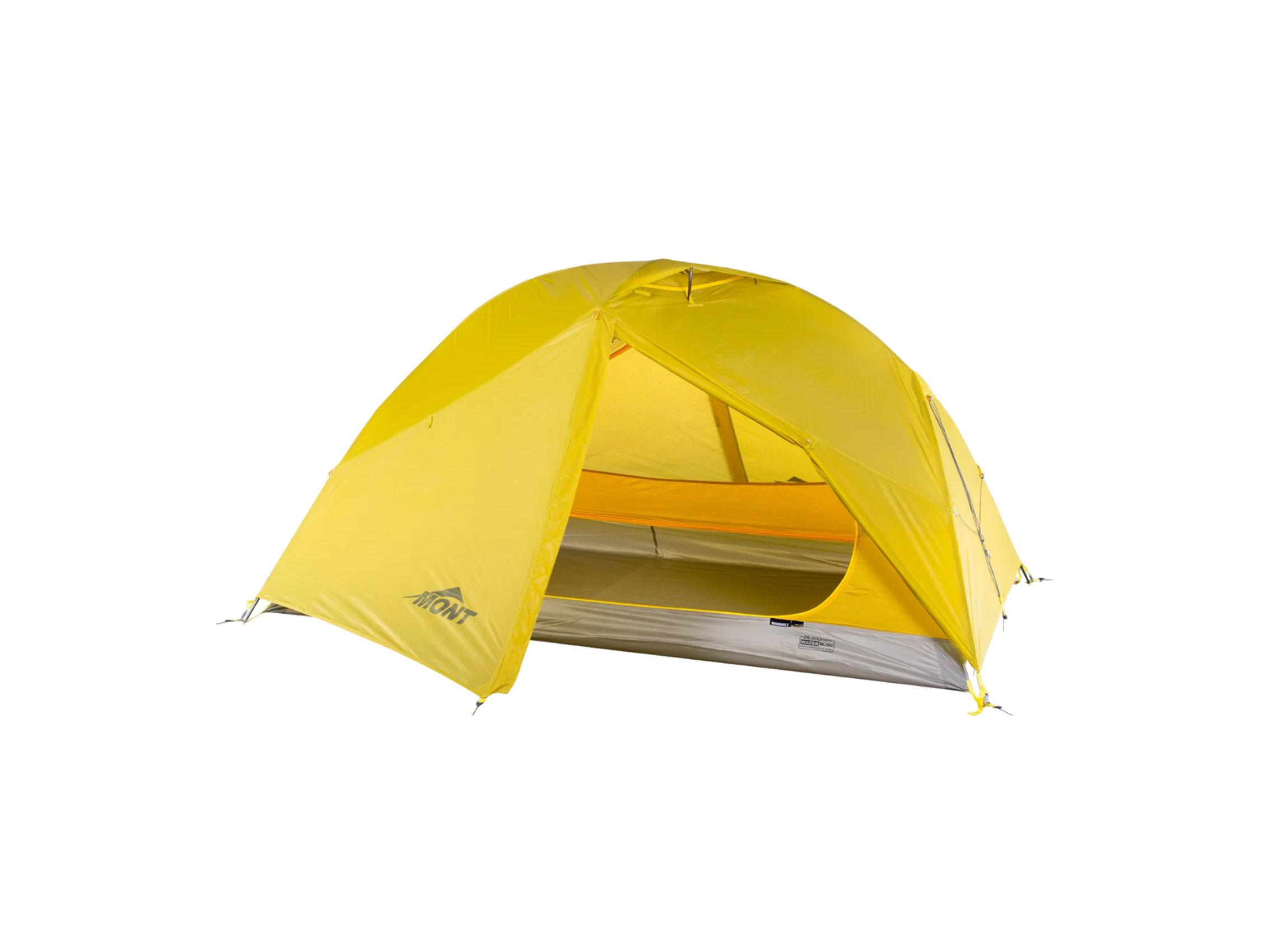
…with a durable, roomy setup for two
High-quality materials and a very spacious interior, built for couples wanting durable comfort on basecamp-style trips.
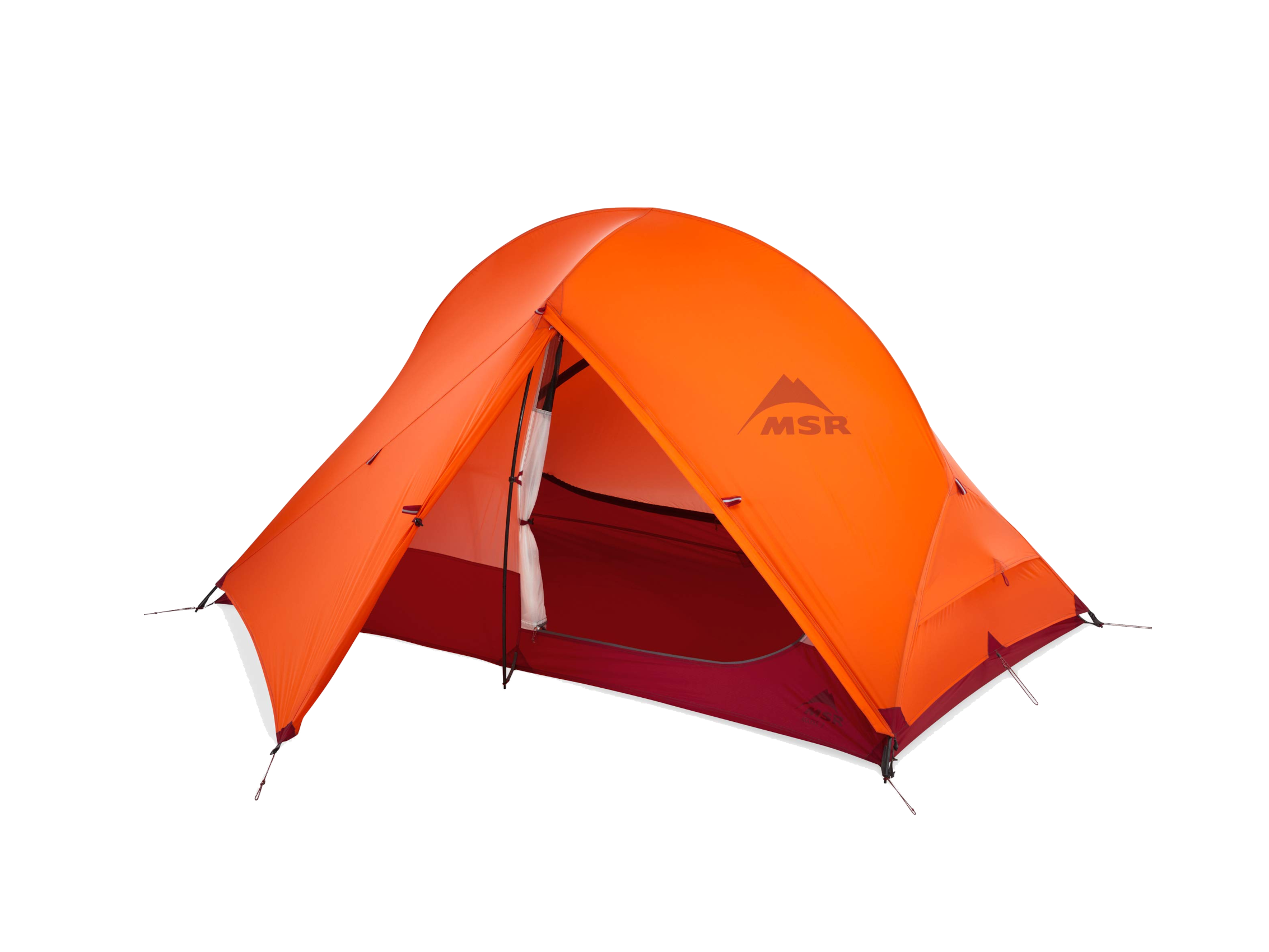
…for genuine winter or alpine conditions
Strong storm performance and plenty of vestibule space, built for winter camping where weight still matters.
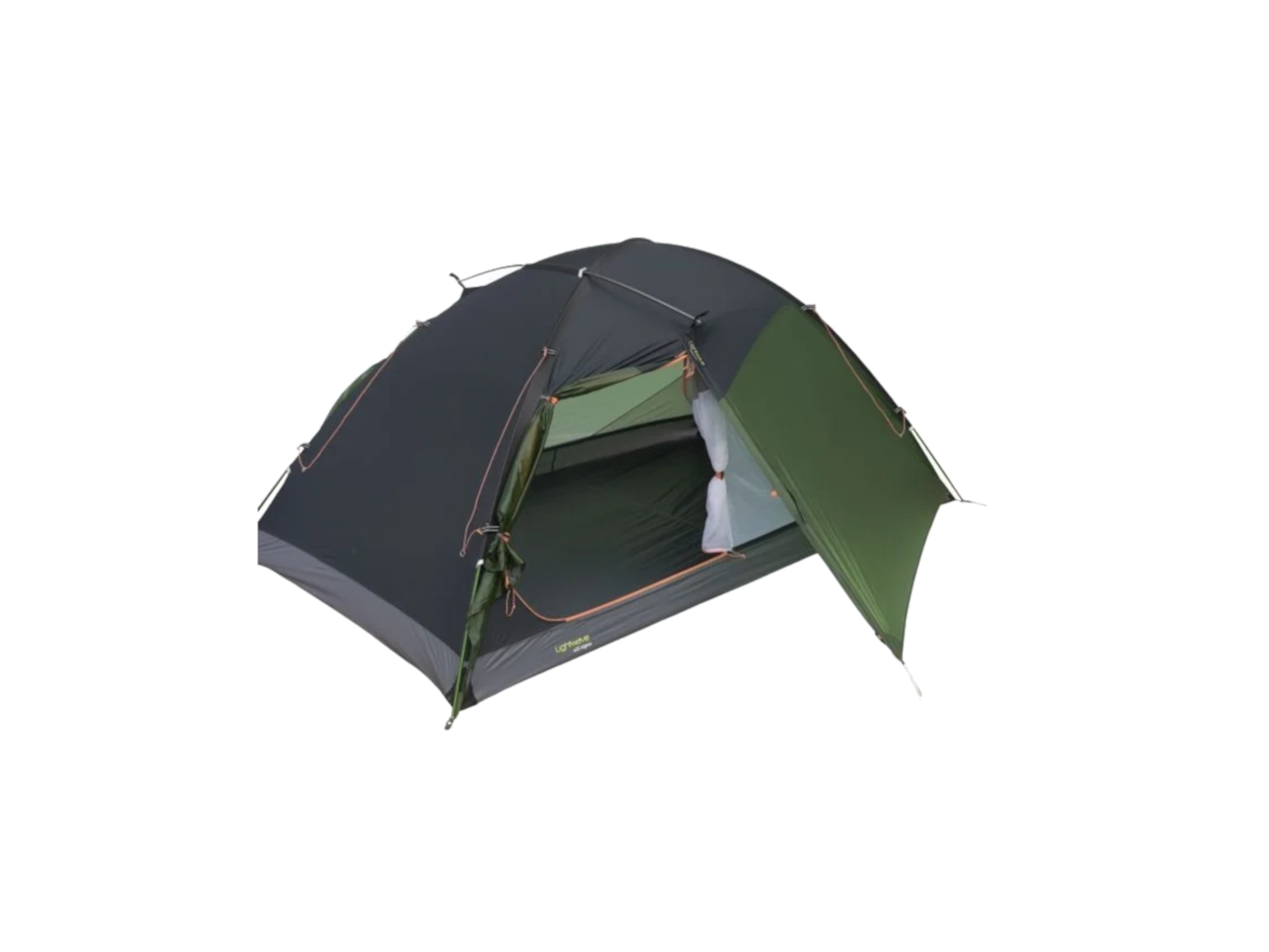
…that's stormworthy and simple
Lightweight for its strength with excellent waterproofing, a great single-wall option for demanding UK conditions.
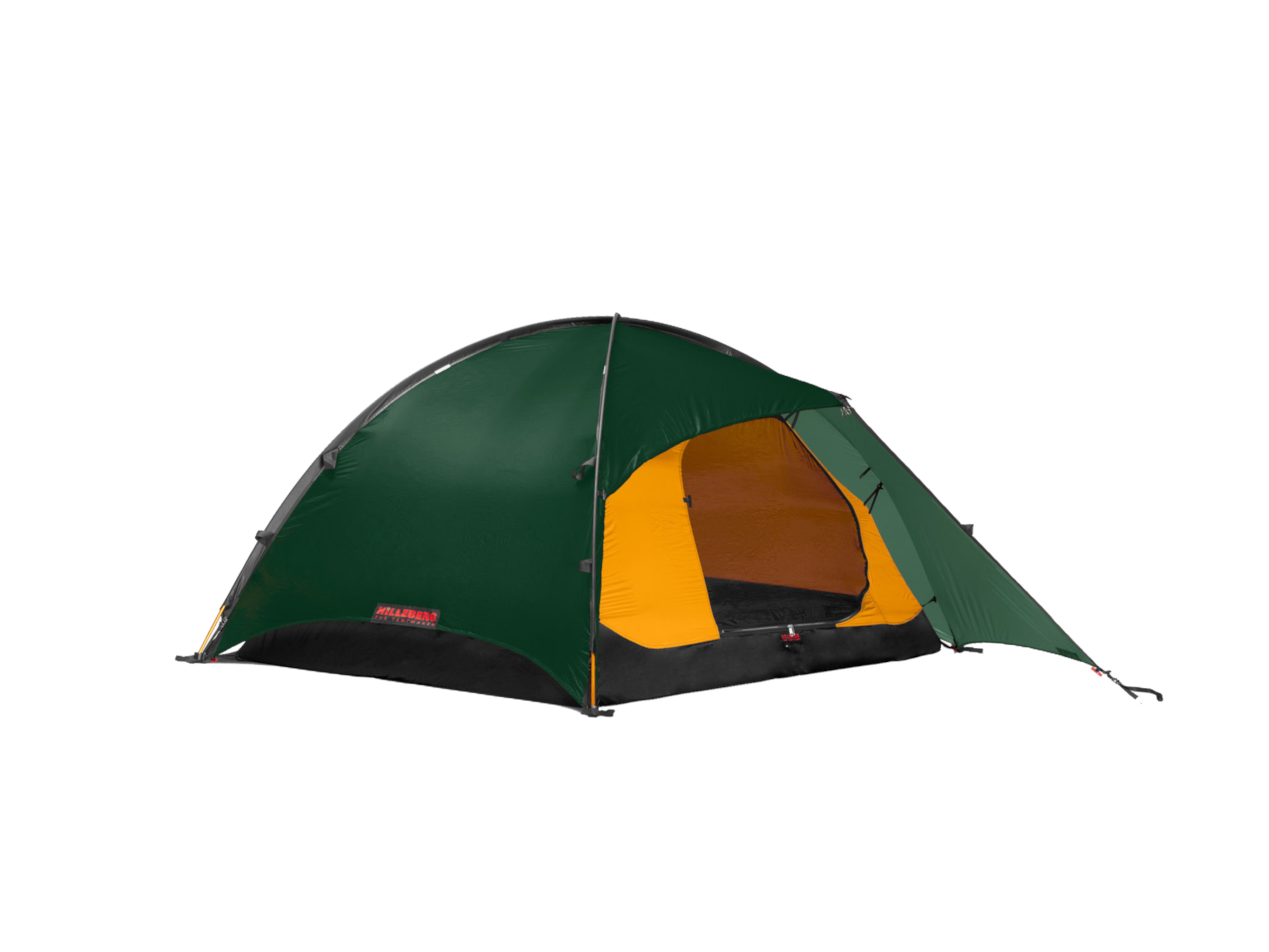
…that's genuinely bombproof for expeditions
Extremely sturdy, weather-resistant and spacious, worth the investment for severe weather and serious use.
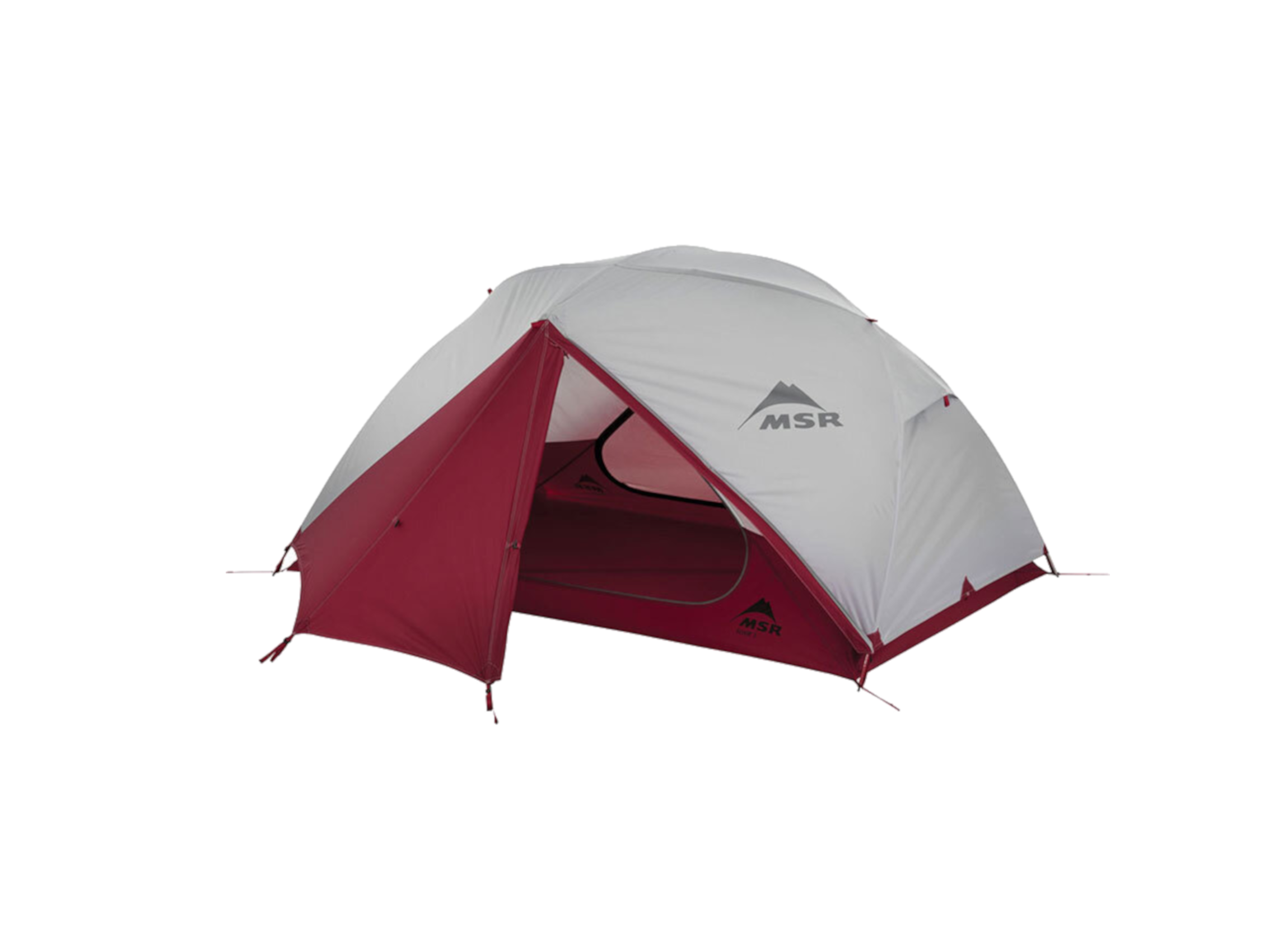
…for beginners wanting durable comfort
User-friendly features and durable construction, liveable rather than light, a good starting point for new backpackers.
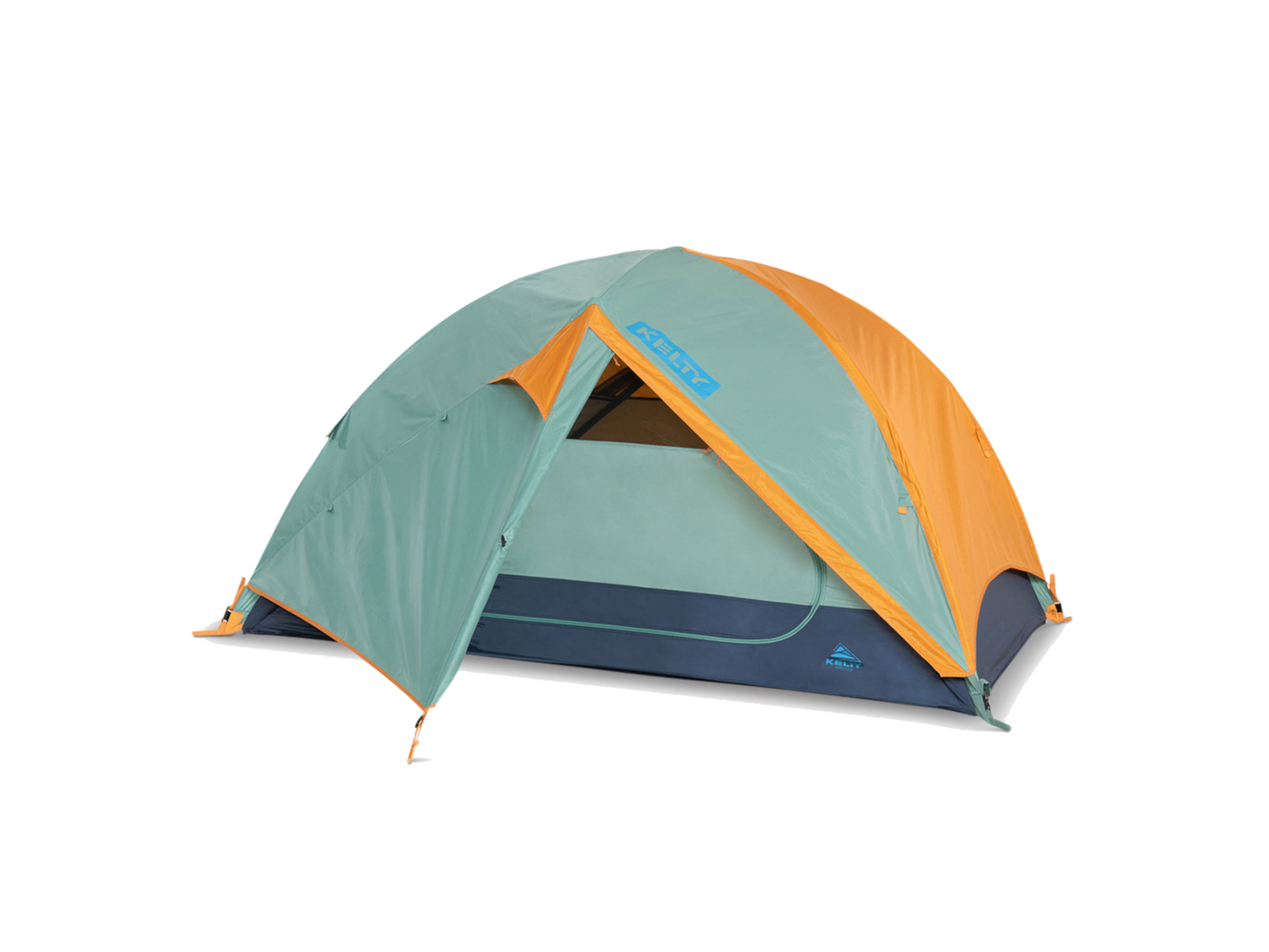
…on a tight budget
Roomy, comfortable and very durable for the price, a reliable shelter for casual car camping or occasional trips.
Ratings By Category
Method
We selected the top backpacking tents in each category after evaluating the tents currently on the market and each tent instantly earned 50 points just for being chosen. In order to rank them out of 10 in the following categories — Comfort, Construction, Features, Size/Weight and Versatility — we conducted field tests and in-person evaluations.
Rankings are modified or weighted according to their significance and degree of variation, for example, certain categories will be rated from 1 to 10, while others will be rated from 4 to 9, etc. However, there are occasionally outliers. We have done our best to accurately depict how each tent ranks overall and why.
Here, we strive to give you all the information you need to find the best backpacking tent in the UK. At The Equipment Guide, we believe that thorough reviews of backpacking tents should provide you all the information you need to choose one.
Testing Methodology
Before we recommend any tent, we put it through real-world use in a full mix of British conditions. From pitching in the wind on the coast to packing down in the chill of the Peaks, sleeping through steady rain and testing how it handles repeat trips, we do it all. Our goal is to test tents the way real campers, backpackers and weekend adventurers will use them, which, of course, is not always only when the sun is out.
To make sure our tent reviews are accurate, trustworthy and genuinely useful, we follow a structured testing process that blends controlled checks with plenty of time in the field. Each tent is tested across changing weather, different terrain and varied trip styles, such as overnight wild camps and multi-day hikes to higher, exposed sites in the Lakes or Scotland. Our reason for doing this is so we can see how it performs where it really counts: outdoors in the UK.
Want the full breakdown of how we test? Use the drop-downs below to see our methods, what we measure and how those results shape our ratings.
-
Before we head off into the hills, woods or coast, every tent gets a proper once-over to make sure what’s in the box actually matches what’s been promised on paper.
Unboxing and check-up: We lay everything out and confirm all the bits are there, including the flysheet, inner tent, poles, pegs, guy lines, stuff sacks, repair kit and footprint (if one’s included). If anything’s missing, swapped or different to what’s advertised, we make a note of it.
Build and materials check: We look out for dodgy stitching, loose threads or flimsy parts that might give up under pressure. This includes checking:
Fabric thickness and quality (both fly and inner)
Waterproof coatings and mesh condition
Seam taping and stitching consistency
Pole strength and connections
Zips, toggles, guy points and how everything attaches together
Weight and pack size: Using digital scales and measuring tools, we record exactly how heavy and bulky the tent is. Then we compare those numbers against what the brand claims, so weight-conscious hikers know what they’re really carrying. We measure:
Total packed weight (everything included)
Minimum trail weight (tent, fly and poles only)
Packed dimensions and how easily it squeezes into its bag
First setup test: We pitch the tent straight out of the bag to see how easy it is to put up. We’re checking whether the instructions make sense, colour-coding actually helps and if one person can manage it solo without a faff.
-
We take every tent out for proper nights under the UK sky, too. We try to take it out into sheltered woodland camps and hilltops to see how it really performs when things get a bit wild. Here’s what we look for while we’re out there:
Wind resistance and stability: When the wind picks up, we see how well the tent keeps its shape and stays solid. We look for sagging panels, wobbly poles and whether the guy lines actually hold the tent steady when fully pegged out. Wind in the Peaks will quickly show you what’s well-designed and what’s not.
Rain and waterproofing: Being in the UK, we get plenty of natural chances to test this one. We check how waterproof the flysheet really is, whether seams leak, and how dry the inner stays after a proper downpour. We’ve even used hose tests to be sure. We also see if you can duck in and out without water pouring inside.
Ventilation and condensation: On damp or chilly nights, we find out how much airflow the tent really has. Does it fog up inside? Do the vents actually make a difference? We rate how well the tent handles moisture build-up, which matters on those long, muggy summer nights as much as in frosty weather.
Space and comfort: A tent can look great on paper, but living in it tells the real story. Our testers spend multiple nights inside to see how much room you really get — enough to sit up, stretch, change clothes or stash your gear properly. We also check vestibule space for boots and packs, and whether there’s room for cooking under cover (when safe to do so).
Ease of use in real life: Finally, we test the stuff that only shows up when you’re half-asleep or dealing with rain at 2 a.m. Things like zipping up doors in the dark, re-tensioning guy lines in the wind, or getting back in with wet gear. We note how forgiving the design is when you’re tired, cold or wearing gloves.
-
Durability’s a big deal when it comes to tents as they’re too much of an investment for just one weekend use. To see how tough each model really is, we put it through plenty of use and abuse, the kind you’d expect over months or years of regular camping.
Pitching and packing on repeat: We keep setting it up and packing it away to see what gives first. Do the poles start to bend or splinter? Do pegs warp? Is the fabric showing wear around the pole sleeves or tension points? We think a good tent should handle this cycle without fuss.
Rough-ground testing: We camp on all sorts of surfaces, too, such as grassy fields, rocky ground, compacted dirt. This is to see how the floor fabric holds up. We keep an eye out for scuffs, abrasion and coating wear, testing with and without a footprint to see how much difference that actually makes.
Sun and weather exposure: When the British weather gives us a bit of sunshine (rare, but it happens), we leave the fly pitched to see how it copes with UV. We also check for fading, waterproof coating breakdown and any signs of delamination. On the flip side, tents are left damp for days to test for mould or bad smells, so we can see how forgiving they are if you forget to dry them out right away.
Testing the small stuff: Zips, toggles, guy lines, clips, etc. We open and close, tension and untension repeatedly to see what holds up and what starts to fail. Broken zips or dodgy clips can ruin a trip faster than bad weather.
-
A tent can have all the fancy specs in the world, but if it’s a pain to use on the trail, it’s not much good. So, we test how practical each tent really is when you’re out there doing the miles.
Setup speed and solo pitching: We time how fast it goes up and packs away, both in calm weather and when it’s blowing a gale. We check if one person can manage the setup on their own, because sometimes it’s just you, the rain and a stubborn tent bag at the end of a long day.
Packability and how it fits in your pack: We see how easily the tent squeezes back into its stuff sack and how much space it hogs in a hiking pack. We also check if you can separate the poles or fly to split the weight with a hiking partner, or just to make packing less awkward.
Versatility and different setups: Some tents can be pitched in different ways, such as just the fly for a lightweight ‘fast pitch,’ or the inner on its own for bug-free summer camping. We test a range of those options where possible, plus how well each tent copes with early spring frost or a dusting of snow up in the hills.
-
Once we’ve tested each tent in the wild, we score it across five main categories. We don’t just look at one number or spec, we try to balance comfort, build quality, features, size and weight, and all-round versatility to see how each tent actually performs for different types of people and trips.
Comfort: This is all about living space and how nice the tent feels to be in. We look at headroom, floor space, ventilation, warmth and how it holds up over a few nights. The best tents strike that balance between feeling roomy without losing cosiness.
Construction: We check the build quality, too, things like stitching, pole strength, seam sealing and overall toughness. The tents that survive repeated pitching and handle rough UK weather with ease score highest here.
Features: These are the small touches that make life easier, like vestibules for gear storage, inner pockets for bits and pieces, decent vents, or handy details like colour-coded poles and clips that actually make setup faster.
Size and weight: Tents aren’t all about being featherlight, as it really depends on what you’re doing, so we judge portability and packed size with the right context in mind. Ultralight tents get points for ease of carrying on long hikes, while heavier, more spacious models are rated for how manageable they are on shorter trips or car camps.
Versatility: We also look at how adaptable each tent is. Some handle both warm and soggy conditions brilliantly; others work just as well for hiking weekends as they do for longer wild camps. The more flexible the tent, the higher it scores.
Every tent gets a score out of 10 in each category, which we then weight to give an honest overall rating. That way, a tent doesn’t top the charts just because it’s ultralight, it has to perform well across the board. We note down where each model shines and where it falls short, so you get the full picture.
Our main goal is to give UK campers real, experience-based insights, not just marketing claims. This way, you can pick a tent that’s actually up for the adventures you’ve got planned.
Comfort
Comfort considers the size of the sleeping area, which includes these three key components: floorspace, headroom and design layout.
There can be quite a bit of difference in this area. The Vango Nevis 200, for instance, has so little room that two people must lie head to toe. The Naturehike Cloud-Up 2 tent has a design that has sloped walls, which reduces the already cramped space. For that reason, we wouldn’t buy either of those. In the mid-range and best backpacking tents in the UK, there isn’t a great deal of variation, though. For instance, the Big Agnes Copper Spur HV UL-2 has less room at the feet as it tapers in, but this is a fairly minor comfort negative. In our view, a spacious, symmetrical space is better, but it is not the be all and end all.

The interior of the Vango Nevis 200 is a bit cramped

MSR Hubba Hubba NX has a comfortable space

Construction
Construction primarily considers the quality of the workmanship and the materials. The fabrics and pole materials have a significant impact on the durability. Here, weight, quality and price are typically trade-offs.
Strong aluminium poles are important, as fibreglass tends to snap, which is the last thing you want when you are in the middle of the bush. Ripstop waterproof materials with a decent PU (1200+) are also going to keep you dry and will be strong. These are probably the main things we suggest looking out for when looking for the best hiking tents. Some of the best hiking tents have thicker gauge poles, a higher denier (density) fabric with great waterproofing, like the MSR Hubba Hubba NX or better cinch straps, which can help with durability. On the flip side, budget models such as the Naturehike Cloud-Up 2 or Vango Nevis 200 have some of these features, but the design and layout of their poles make the overall structure weak.

The Vango Nevis 200 is made from cheaper materials

Look for strong aluminium poles rather than fibreglass

Features
The more aesthetically pleasing aspects of liveability, such as the number of vestibules, privacy screens, pockets and ease of setup, are taken into consideration in ‘Features’.
Given that these are a 2-person tents, double vestibules are crucial features to look for as they provide extra room for each person to stow their hiking pack or other goods. Having a single-pole arrangement and a few pockets to store a headlamp or other items you want nearby are also helpful. Also useful are privacy screens. The majority of these features are included in all of the mid- to high-range hiking tents we tested. The Vango Nevis 200 was a bit challenging to set up, and the Naturehike Cloud-Up 2 has one very narrow vestibule and is light on features.

The MSR Hubba Hubba NX has plenty of ventiliation

The Vango Nevis 200 has no windows and only has a single vestibule

Size/Weight
Size/weight consider both the kilogramme weight and the packed size, or how much space it will occupy in your bag.
The Nemo Dragonfly is the clear standout here. At only 1.4kg, it’s the best in terms of being a lightweight hiking tent if you are looking for something to use purely for hiking. Of the mid- to high-range tents, the Big Agnes Copper Spur HV UL-2 is also great at 1.4kg, but packs slightly larger than the Nemo Dragonfly. The Naturehike Cloud-Up 2 is lightweight, but it’s important to note that it does this to the detriment of quality in other areas. The Kelty Wireless 2 is the heaviest tent we reviewed at 3.31kg. The best lightweight hiking tents don’t sacrifice weight for quality.
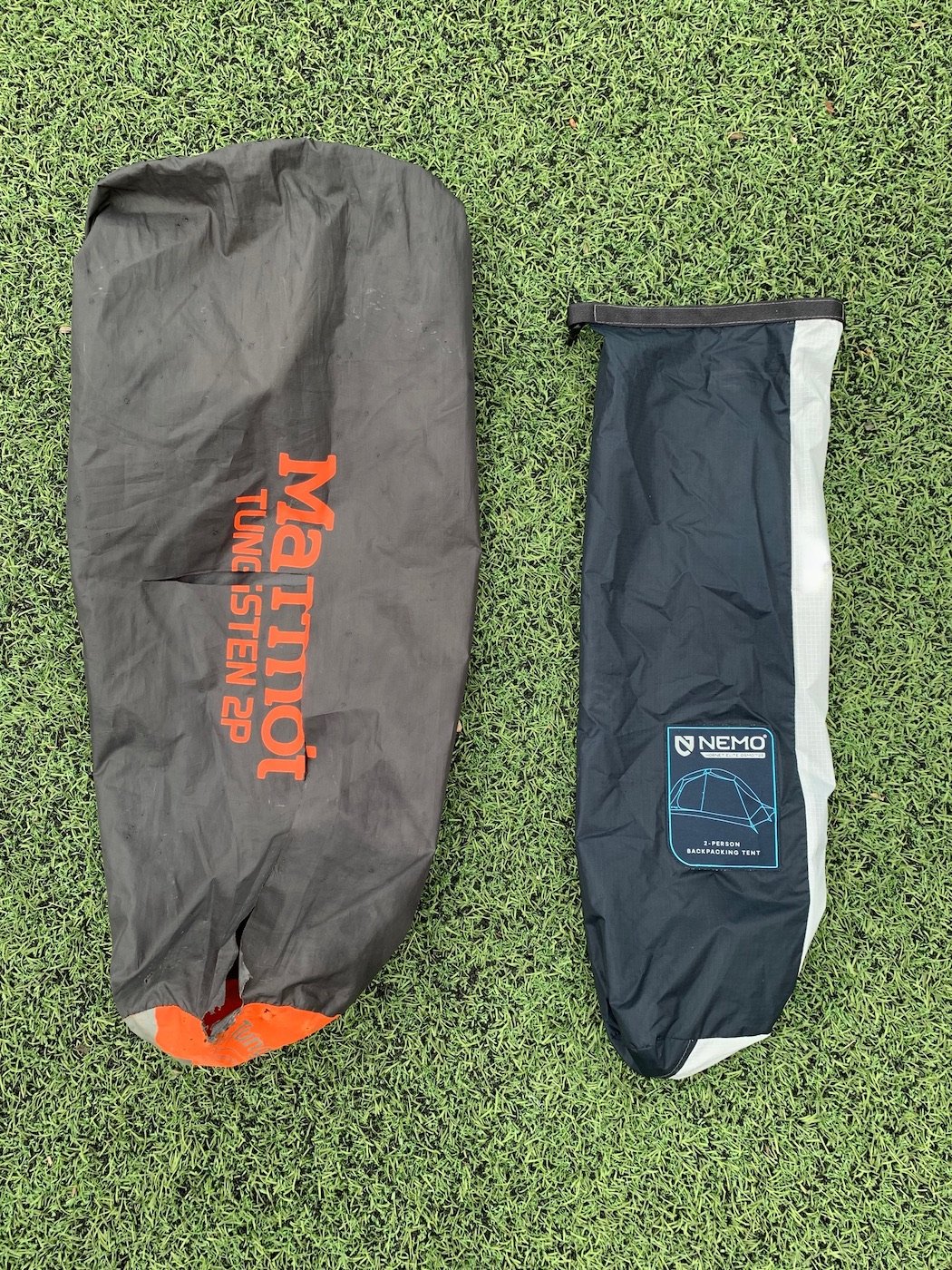
Marmot Tungsten vs Nemo Hornet Elite OSMO pack size

Versatility
Whether we would use the tent for day hikes, multi-day hikes or merely camping is considered in this category. A capable all-arounder can perform all three.
With a spacious interior and lightweight package, the MSR Hubba Hubba NX is a great all-rounder that can be used for anything. While expensive, the MSR Access 2 is another good, versatile option with plenty of headroom. The Lightwave Sigma S22 is also expensive, but has a large sleeping size and is waterproof and light for multi-day hiking trips, while the Nemo Dragonfly is an excellent pure hiking tent. There are small differences between the top brands, as you can see from the below images.

The MSR Hubba Hubba NX has mesh on the top for you to gaze at the stars in warm weather

The Nemo Hornet Elite has room for rainy days and windows for ventilation

Our Awards
Backpacking Tents
MSR
Hubba Hubba NX
Backpacking Tents
Kelty
Wireless 2
Backpacking Tents
MSR
Access 2
Backpacking Tents
Nemo
Hornet Elite OSMO
Backpacking Tents
Hilleberg
Rogen 2
Backpacking Tents
MSR
Elixir 2
Backpacking Tent FAQs
How do I choose the right size tent for hiking?
Don't rely only on the 'person' rating. Always check the actual measurements, so you know you'll fit comfortably along with your gear. Many hikers size up even when camping solo, or choose a tent with a vestibule so they can store their backpack outside the sleeping area.
What does 'season rating' mean and which do I need?
A 3-season tent is designed for spring through autumn, so it's lightweight, airy and great for milder weather. A 4-season tent is built tougher for snow, strong winds and harsh winter conditions, which matters more often here in the UK than you might expect, especially in Scotland or on higher routes. For most summer and shoulder-season trips, a 3-season tent is plenty. Alpkit has a great guide to choosing the right tent, if you’re interested.
How waterproof is a hiking tent?
Check for a high waterproof rating (like 5,000mm) and fully taped seams to make sure rain won't seep in. Using a footprint under your tent also helps protect the floor from damage and moisture.
Why do tents get condensation inside?
Condensation forms when your warm breath hits the cold tent walls. Good airflow, like mesh panels and built-in vents, helps push moisture out and keeps the inside drier, which is especially useful in the UK's damp, humid conditions.
How hard is it to set up a hiking tent?
Many modern tents are pretty easy to pitch, especially if they have colour-coded poles and clip-on attachments. It's still smart to practise at home so you're not learning in the dark or in bad weather while on your trip.
Do I need a super-strong tent for wind or storms?
If you camp in exposed or stormy places, like coastal paths or mountain ridges, a stronger four-season tent with extra pole structure will hold up better. No matter what tent you use, always peg it down well and tighten the guy lines when the wind picks up.
How much should I budget for a decent hiking tent?
Lightweight backpacking tents usually cost more because of the advanced materials. If you're mostly car camping, you can save money and get a larger, more durable tent without worrying about weight.
What are the essential features for a lightweight backpacking shelter?
Look for a low overall weight, a durable but thin-denier flysheet, decent waterproofing and a compact pack size. A vestibule for storing muddy boots and gear is also useful on UK trips, where wet weather is very common.
What are backpacking tents?
Backpacking tents are lightweight, compact shelters designed to be carried in a rucksack over long distances. They typically prioritise low weight and small packed size over the extra space and features you'd find in a car camping or family tent.
How heavy should a tent be for backpacking?
Most 2-person backpacking tents fall somewhere between 1kg and 2.5kg, depending on the materials and season rating. For UK conditions, it's worth accepting a bit of extra weight for better weatherproofing rather than chasing the absolute lightest option.
What is considered lightweight for a backpacking tent?
Generally, a 2-person tent under around 1.5kg is considered lightweight, while anything under 1kg is often labelled ultralight. These weight savings usually come from thinner fabrics and minimalist pole structures, which can mean a trade-off in durability or weather resistance.
What are the best backpacking tents in 2026?
Based on our testing, the MSR Hubba Hubba LT stands out as the best all-rounder, with the Nemo Hornet Elite OSMO and Big Agnes Tiger Wall UL2 leading the way for anyone focusing on weight above all else.
Do I need a tarp under my tent when backpacking?
A groundsheet or footprint isn't a must, but it's a great addition for protecting your tent floor from sharp stones, roots and general wear, particularly on rougher UK terrain. It also adds a bit of extra protection against ground moisture on damp pitches.
Which Backpacking Tent Should Most People Buy?
The simplest answer: the best all-round backpacking tent for most people in the UK is the MSR Hubba Hubba LT. It has a great balance of light weight, spacious interior and good ventilation, making it suitable for everything from weekend trips to longer three-season backpacking, rather than just occasional use.
If you're trying to balance weight, features and price, the Kelty Wireless 2 is our best value choice. It gives you dependable performance for the money, without moving into premium pricing territory.
If you're heading into serious cold, wind, or snow, the MSR Access 2 is the best four-season option. It's built for bombproof stability and strong storm protection, standing up to genuinely harsh UK conditions on exposed ridges and higher routes.
For anyone wanting a lightweight tent above all else, the Nemo Hornet Elite OSMO is a great starting point. It's built to shave every possible gram off your pack, with fast pitching and minimal trail weight, great for longer routes where every ounce counts.
In short:
Best Overall: MSR Hubba Hubba NX
Best Value: Kelty Wireless 2
Best 4-Season: MSR Access 2
Best Ultralite: Nemo Hornet Elite OSMO
About Our Testing Process
Here at The Equipment Guide we write reviews for the UK with the goal of providing genuine personal assessments of the best products on the market. We do detailed research including field tests to make an informed judgment and help you get a better understanding of what is out there.
All products are reviewed and ranked in a methodical and careful manner and we assess them on relevant key features. We do not accept free products from manufacturers.
Our mission is simple: To create the UK’s best outdoor gear reviews.
Afterword
We hope our reviews have helped you pick from the best lightweight backpacking tents in the UK!
The main takeaway is that there is a tent fit for every purpose and budget. You’ll certainly find one among our reviews. If you have any feedback or product suggestions, feel free to drop us a note.
If you happen to buy one of the tents we’ve recommended, do share some pics with us - we’d love to see you in action!